national parks travel guide kid
Planning a Kid-Friendly National Park Trip
Use National Geographic Kids National Parks Guide for vibrant photos, animal facts, and kid‑friendly maps. Plan early, book campsites, and pack snacks. Check seasonal alerts, bring a reusable water bottle, and follow Leave No Trace. Enjoy ranger programs and interactive apps. Check alerts, bring a map!
Choosing the Right Park
Start by consulting the National Geographic Kids National Parks Guide, which offers vivid photos, animal facts, and kid‑friendly maps that highlight family‑friendly attractions. Look for parks with easy trails, visitor centers that offer interactive exhibits, and plenty of open spaces for play. Check the park’s official website for seasonal activity calendars and any special family programs. Consider proximity to your home to reduce travel time, and evaluate parking, shuttle services, and nearby lodging options that accommodate children. Use the guide’s “50 States Passport” feature to track visited parks and plan a balanced itinerary that covers diverse ecosystems—mountains, deserts, forests, and coastlines—while keeping the trip engaging for younger travelers. Finally, read recent visitor reviews on travel forums and social media to gauge current crowd levels, safety measures, and the friendliness of staff toward families. This research will help you select a park that offers both educational value and fun, ensuring a memorable adventure for the whole family.
Planning a trip also means checking the park’s visitor center hours, seasonal closures, and any required permits for group activities. Families should bring a reusable water bottle, a small first‑aid kit, and a child‑sized backpack filled with snacks, a hat, and a small flashlight. By preparing in advance, parents can focus on the adventure, while kids explore safely and learn about wildlife, geology, and conservation in a hands‑on way that stays exciting from sunrise to sunset.
Enjoy the trip!!
Timing and Seasonal Tips
National Geographic Kids National Parks Guide recommends planning visits during shoulder seasons—late spring or early fall—to avoid crowds and enjoy mild temperatures. Check each park’s climate data; for example, Yellowstone peaks in July, while Grand Canyon’s best family hikes are in September. Arrive early to secure parking and join ranger talks that start at 9 a.m. Bring layered clothing; temperatures can swing from 30°F at sunrise to 70°F by noon. Pack a reusable water bottle and a snack pack to keep kids hydrated and energized. Use the park’s mobile app for real‑time alerts on trail closures or wildlife sightings. During winter, many parks offer snowshoeing and guided night walks, but ensure children wear insulated boots and carry a headlamp. Summer months bring higher UV exposure; apply SPF 30 sunscreen every two hours and provide wide‑brimmed hats. For families with toddlers, schedule rest stops every 45 minutes to prevent crankiness. Finally, keep an eye on weather forecasts and be ready to adjust plans if thunderstorms or high winds are forecasted, especially in mountainous regions. By aligning your trip with seasonal advantages, you’ll maximize safety, enjoyment, and learning opportunities for every family member. Remember that many parks offer free educational workshops for children during school holidays, so plan your itinerary around these events. If you’re traveling with older kids, consider a short backcountry hike that introduces basic navigation skills, but always stay within designated trails. Also, check for any seasonal wildlife migrations; for instance, elk herds in Yellowstone are most visible in late summer, offering a thrilling viewing experience. Lastly, after each day, review the Leave No Trace principles with your kids to reinforce responsible behavior in nature. Use the National Geographic Kids app to track the 50 States Passport progress, rewarding kids for visiting new parks. Pack a small first‑aid kit with bandages, antiseptic wipes, and allergy medication, as sudden insect bites or minor scrapes can happen. Keep a small flashlight or headlamp for evening walks, and a whistle for safety. If you’re visiting a coastal park, bring a light rain jacket in case of sudden showers. For family-friendly campsites, reserve early to secure a spot with a fire ring and picnic tables. During the winter, many parks offer guided snowshoe tours that teach kids about snow safety and wildlife tracks. Always check the park’s official website for updated hours, entrance fees, and any special permits required for group activities. By staying informed and prepared, you’ll create a memorable, safe, and educational adventure for your kids.
Must-Visit National Parks for Families
National Geographic Kids guide highlights Yellowstone, Grand Canyon, and Yosemite. These parks offer child‑friendly trails, ranger programs, and wildlife viewing. Pack snacks, sunscreen, and a reusable water bottle. Check park alerts and book campsites early.
Yellowstone National Park Highlights
Yellowstone, the world’s first national park, offers families a mix of geysers, wildlife, and easy trails. The Old Faithful Geyser erupts every 91 minutes, a predictable show that kids love. The Grand Prismatic Spring, with its rainbow colors, invites photo‑ops and short walks. Families can explore the Lower Geyser Basin, where bubbling mud pots and steaming fumaroles create a natural science lab. The park’s wildlife—bison, elk, and black bears—can be seen from safe viewing areas. The scenic Loop Road provides panoramic views and stops like the Fountain Paint Pot. For a gentle hike, the Fairy Falls Trail is stroller‑friendly and offers a waterfall view. Yellowstone’s visitor center hosts interactive exhibits and a Junior Ranger program that lets kids earn badges while learning about geology and conservation. Pack a picnic, bring reusable water bottles, and wear sturdy shoes. Check the park’s seasonal alerts for road closures and wildlife activity. The National Geographic Kids guide highlights these features with vivid photos and fun facts, making Yellowstone a top pick for family adventures.
Parents enjoy the park’s educational exhibits, where displays explain geyser chemistry. A short 0.5‑mile loop near the Old Faithful area is stroller‑friendly and offers a chance to spot bison grazing nearby. Remember to bring a reusable water bottle, a sturdy hat, and a small first‑aid kit for any unexpected bumps on the trail. Join the Junior Ranger badge program for a challenge! Enjoy!
Grand Canyon National Park Family Adventure
Grand Canyon’s South Rim is the most family‑friendly area, offering paved viewpoints, easy trails. The Bright Angel Trail’s first 1.5 miles are stroller‑friendly and provide a gentle introduction to the canyon’s geology, with interpretive signs that explain the layers of rock. The Grand Canyon Visitor Center hosts interactive exhibits that explain the 2.7‑million‑year‑old formation process. Families can take a scenic shuttle from the Grand Canyon Village to the Desert View Watchtower, where a 1‑mile walk leads to a panoramic vista of the Colorado River. The park’s “Junior Ranger” booklet includes a scavenger hunt that encourages kids to spot rock formations, plants, and wildlife such as mule deer and California condors. A picnic at the Grand Canyon Lodge’s Canyon View Restaurant provides a break with a view. Remember to bring a reusable water bottle, sun protection, and sturdy shoes for the short hikes. National Geographic Kids highlights the canyon’s colorful strata and the famous “Grand Canyon Skywalk” as must‑see attractions for adventurous families. The park’s seasonal alerts advise on weather changes, especially in spring and fall, ensuring a safe and memorable trip. Ranger‑led programs at the Grand Canyon Railway Depot let kids learn about the historic train that once carried tourists to the rim. The park’s shuttle service runs every 30 minutes, making it easy to explore multiple viewpoints. Always check the National Park Service website for current road conditions and park alerts before you go; Pack a small first‑aid kit and a child‑friendly map to keep everyone on track. Enjoy!
Activities That Kids Love
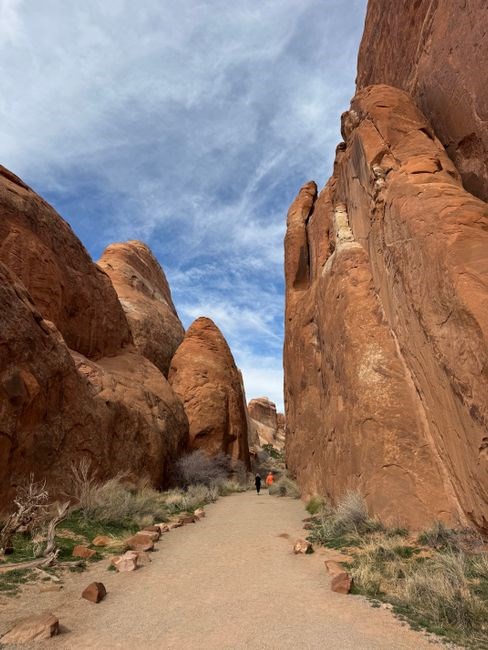
Explore ranger‑led hikes, Junior Ranger programs, easy nature trails, wildlife spotting, and interactive exhibits. Kids enjoy collecting rocks, learning about geology, and playing in themed play areas. Bring snacks, water, and a camera for memorable adventures. fun!!!
Ranger-Led Programs and Junior Rangers
National Geographic Kids National Parks Guide highlights ranger‑led programs that turn a simple visit into an interactive learning adventure. At most parks, rangers host daily talks about geysers, wildlife, and geology, offering kids a chance to ask questions and see live demonstrations. The Junior Ranger program invites children to complete a series of age‑appropriate activities—such as identifying native plants, spotting animal tracks, and learning basic safety rules—earning a badge upon completion. Many parks provide themed kits that include a map, a checklist, and a small notebook for children to record observations. These programs are designed to keep young visitors engaged, encourage curiosity, and foster a sense of stewardship. Parents can register online or at the visitor center, and many programs are free or low‑cost. By participating, kids gain hands‑on experience, build confidence, and develop a deeper appreciation for conservation. The guide also lists recommended times of year for the most active ranger schedules, ensuring families can plan around peak educational opportunities. Remember to bring comfortable shoes, a water bottle, and a camera to capture moments, and always follow the park’s safety guidelines during activities. Enjoy the adventure and let the rangers spark a lifelong love of nature!
Easy Hikes and Nature Trails
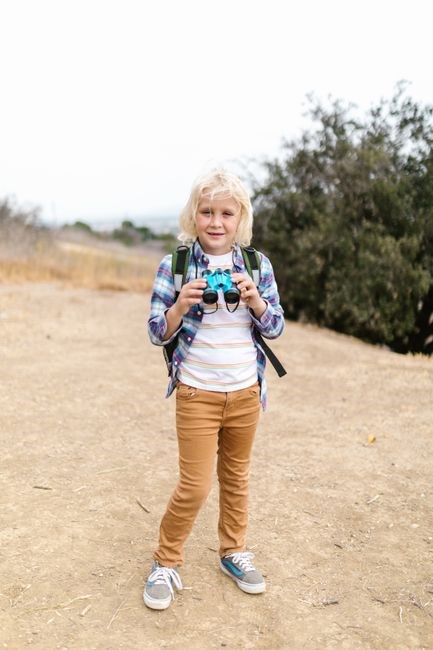
National Geographic Kids National Parks Guide recommends short, family‑friendly trails that showcase wildlife, geology, and scenic vistas without demanding strenuous effort. Many parks feature boardwalks, loop paths, and interpretive signs that explain how geysers form, why certain plants thrive, and how animals adapt to their environment. For example, the “Family Nature Trail” at Yellowstone offers a 0.5‑mile loop with clear signage, a rest stop, and a viewing platform overlooking Old Faithful. In Grand Canyon, the Bright Angel Trail’s upper sections provide a gentle descent with shaded benches and a water station, ideal for younger hikers. Trail maps are available at visitor centers and online; they highlight distance, elevation gain, and safety tips. Parents should bring sturdy shoes, a small backpack, and a camera to capture moments. Keep the pace moderate, pause for short breaks, and use the trail’s interpretive panels to turn walking into a learning session. Always stay on marked paths, respect wildlife, and carry out what you bring in. These easy hikes allow children to experience the park’s wonders while building confidence and a sense of adventure.
When exploring trails, keep eye on weather updates; sudden storms can appear in the high country. Use a small first‑aid kit, park’s “Leave No Trace” principles—pack out you bring in. Encourage kids to record observations in a nature journal, noting the rock color. This habit turns a walk into a science lesson, helping children develop observation skills for a lifetime. Enjoy.
Safety and Gear Essentials
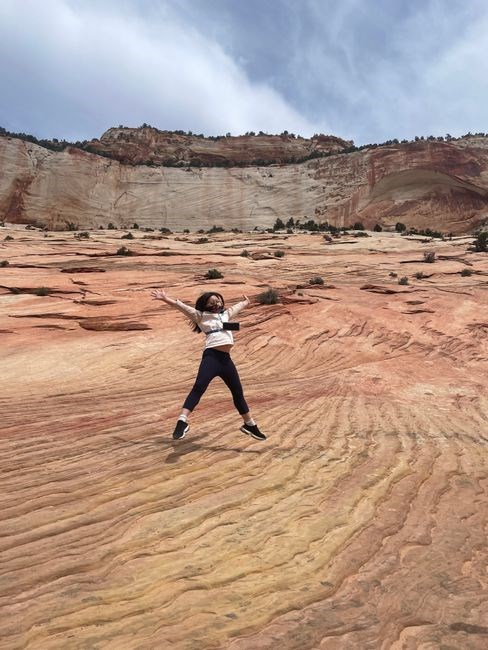
Pack lightweight rain jackets, sturdy shoes, and a reusable water bottle. Carry a first‑aid kit, sunscreen, and a map. Use National Geographic Kids guide for park alerts. Keep kids hydrated, use a hat, and follow Leave No Trace rules. Always bring a small flashlight.
First Aid and Health Precautions
Before heading out, assemble a kid‑friendly first aid kit with bandages, gauze, antiseptic wipes, pain relievers, antihistamines, and a compact tourniquet. Check each park’s website for health advisories, mosquito activity, wildlife alerts, or water quality reports. Pack a water bottle and purification tablets or a filter to prevent dryness on trails, especially in summer heat.
Shield skin with SPF 30 sunscreen, reapply every two or after swim. Wear a wide brim hat, UV shades, and long sleeves to shield kids from sunburn and bugs. Use DEET or picaridin on exposed skin and clothing. Keep a tiny flashlight or lamp for night hikes. Carry a tiny water‑proof pouch for extra supplies.
Teach kids to stay on marked trails, avoid wildlife, and report injuries. Store the kit in a waterproof pouch in an accessible spot, like a backpack pocket. Know the nearest ranger station; most parks have aid stations with supplies and staff. Write down emergency numbers and carry a copy. Review basic aid steps before the trip. Keep a tiny flashlight for emergencies.
Monitor temp changes; sudden heat exhaustion can occur. Teach kids signs of heat stress: dizziness, sweating, fainting. Take breaks in shade and carry a cooler with drinks. If a child shows heat symptoms, move them to a cooler spot, give water, and apply compresses. For cold weather, layer clothing and keep extremities warm. Keep a thermos for tea during hikes. Use a water bottle to stay hydrated.
Sun Protection & Hydration
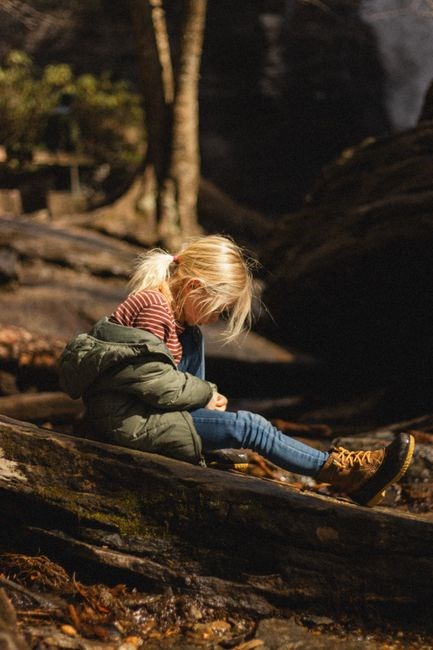
National Geographic Kids National Parks Guide recommends a sun‑safety routine that keeps kids safe and hydrated on every trail. Apply SPF 30+ sunscreen to all exposed skin, reapplying every two hours or after swimming. Use a wide‑brim hat, UV‑blocking sunglasses, and long shirts to reduce extra sun exposure. For extra protection, dress in layers that can be removed during cooler parts of the day.
Hydration is critical: pack a reusable water bottle for each child and a cooler with electrolyte drinks for the group. Aim to drink 8–10 ounces every 20–30 minutes, especially in hot parks. Add a pinch of salt to water if you’re hiking for several hours to replace lost electrolytes. Keep a small water purification tablet or a filter handy in case you need to refill from near sources.
Use a hydration pack with a reservoir for easy access on longer hikes. Check the park’s water quality reports; some parks advise against drinking untreated streams. If you’re visiting a park, schedule hikes early in the morning or late afternoon to avoid sun. Carry a lightweight towel for quick drying after a swim or sudden heat wave. Bring a first‑aid kit for cuts.!
Teach kids to recognize signs of dehydration: dry mouth, dark urine, fatigue, or dizziness. If symptoms appear, move to shade, sip water, and apply a cool compress. For children with medical conditions, bring any prescribed medications and a copy of their health information. Always have a small first‑aidkit with extra bandages, gauze, and a clean cloth for wiping sweat!
Learning and Conservation
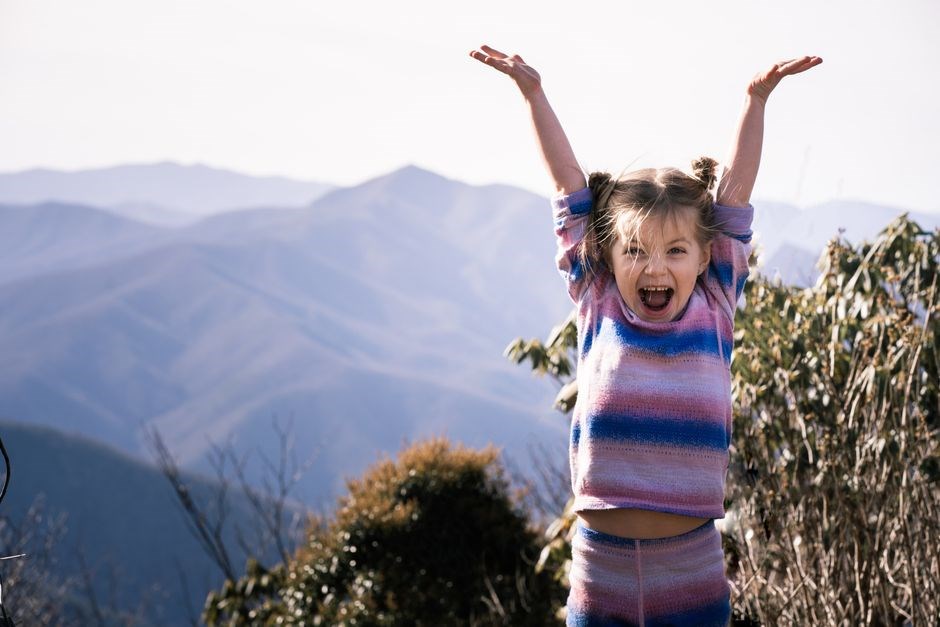
Explore the park’s wildlife, learn about ecosystems, and join ranger talks. Use the National Geographic Kids app for interactive quizzes; Encourage kids to leave no trace, recycle, and respect habitats. Share photos and stories to inspire future stewards of nature!!
Leave No Trace for Kids
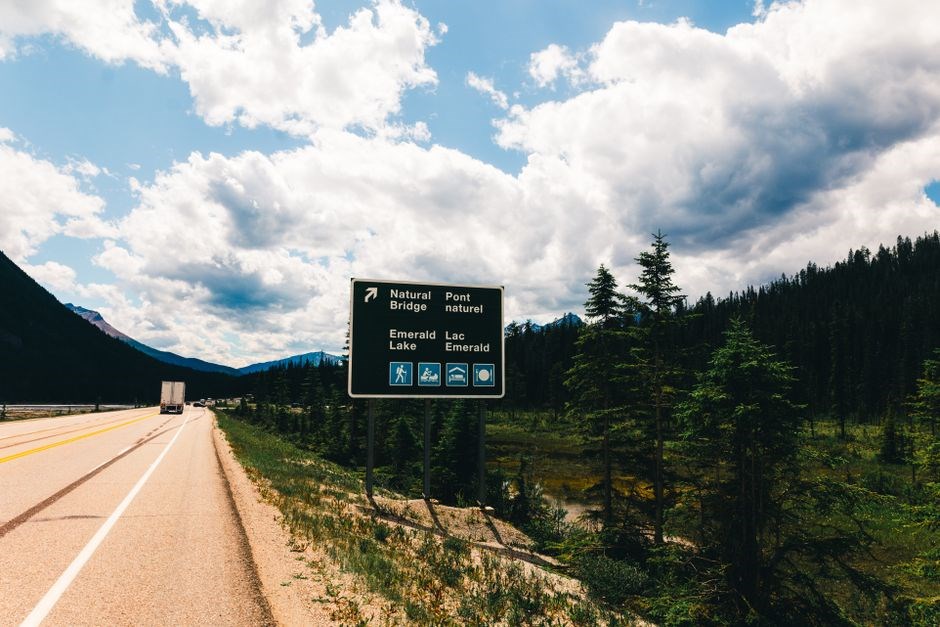
Teach children the 7 Leave‑No‑Trace principles in a fun, age‑appropriate way. Start with “Leave only footprints” by showing how to walk on existing paths and avoid trampling plants. Use the National Geographic Kids National Parks Guide to point out wildlife and explain why disturbing habitats hurts animals. Encourage kids to pack out everything they bring in, including trash, food wrappers, and even small items like gum wrappers. Show how to properly dispose of waste at designated bins or carry it back to the vehicle. Next, practice “Leave the area better than you found it” by picking up litter during hikes and cleaning up after picnics. Teach the importance of staying on trails to protect fragile ecosystems. Use interactive apps that let kids scan QR codes on park signs to learn about local flora and fauna. Finally, involve them in a “Leave No Trace” pledge, where they write or draw their own promise to protect the park. This hands‑on approach turns conservation into a memorable adventure. Remember to use the park’s educational kiosks to learn about geology, and bring a notebook for kids to sketch or record observations. Encourage them to identify bird species by listening to calls, and to note plant types. After the hike, discuss what they learned and how their actions help preserve the park’s natural beauty. By turning learning into play, families create lasting memories and a lifelong respect for nature. Use the park’s free audio guide to hear stories about glaciers, and let kids guess which formations are oldest.
Educational Resources & Apps
National Geographic Kids offers a free app that turns every park visit into a scavenger hunt. Kids can scan QR codes on park signs to unlock animated facts about geysers, wildlife, and geology. The National Park Service (NPS) app provides interactive maps, ranger alerts, and a feature that highlights short, easy hikes with educational prompts. iNaturalist lets children record plant and animal sightings, compare them with a database, and learn about species diversity. The National Geographic Kids National Parks Guide book includes a “What’s in Your Backpack?” checklist that encourages kids to bring reusable water bottles, snacks, and a journal for observations. Gaia GPS offers offline topographic maps and a overlay that shows trailheads, campsites, and waste disposal points. The National Parks Conservation Association’s “Kids’ Conservation Club” app offers daily challenges, virtual badges, and a community forum where children can share photos of their park adventures. In addition, the “National Geographic Kids: Explore” app provides interactive quizzes, a virtual field trip feature, and a “Wildlife Watch” section that helps kids identify birds and mammals. Parents can also download the National Park Service’s free app, which offers a digital badge system, interactive games, and a photo log to track each child’s progress. By combining these tools, families turn an outing into an educational adventure that sparks curiosity fosters stewardship for generations to come. Explore trails now!