
agility ladder drills pdf
This agility ladder drills PDF offers a ready‑to‑use lesson that helps students sharpen quick feet, coordination, agility, and speed. With eight clearly explained ladder drills, it serves as an accessible guide for athletes and coaches seeking structured, effective footwork training. Ideal for all levels and.

Benefits of Using the PDF
The agility ladder drills PDF delivers a comprehensive, user‑friendly resource that transforms training sessions into high‑intensity, skill‑building experiences. By following the eight clearly illustrated drills, athletes develop rapid foot turnover, precise timing, and enhanced body awareness—all essential for competitive performance. The step‑by‑step instructions eliminate guesswork, allowing coaches to focus on technique correction rather than lesson planning. Because the PDF is printable, it can be distributed in classrooms, gyms, or on the field, ensuring consistent practice regardless of location. Its compact format encourages daily micro‑sessions that build muscle memory without demanding large time blocks, making it ideal for busy athletes and teams. Additionally, the visual layout promotes self‑assessment; users can compare their form against the diagrams, track progress, and adjust intensity. The resource’s versatility means it can be integrated into warm‑ups, conditioning drills, or sport‑specific skill work, providing a flexible tool for diverse training programs. Finally, the PDF’s low cost and digital accessibility reduce barriers to high‑quality agility training, democratizing access for schools, community clubs, and individual athletes worldwide. Moreover, the PDF’s modular design allows athletes to tailor drills to specific positions, enabling targeted skill development. Coaches can annotate directly on printed copies, adding personalized feedback. The digital format supports sharing across devices, fostering collaboration among training staff. By incorporating the ladder drills into a structured progression, athletes experience measurable improvements in reaction time, coordination, and overall athleticism. The PDF also serves as a reference guide for injury prevention, highlighting proper foot placement and warm‑up routines. Its accessibility encourages consistent practice, reinforcing neuromuscular patterns essential for elite performance.and
The agility ladder drills PDF delivers a comprehensive, user‑friendly resource that transforms training sessions into high‑intensity, skill‑building experiences. By following the eight clearly illustrated ladder drills, athletes develop rapid foot turnover, precise timing, and enhanced body awareness—all essential for competitive performance. The step‑by‑step instructions eliminate guesswork, allowing coaches to focus on technique correction rather than lesson planning. Because the PDF is printable, it can be distributed in classrooms, gyms, or on the field, ensuring consistent practice regardless of location. Its compact format encourages daily micro‑sessions that build muscle memory without demanding large time blocks, making it ideal for busy athletes and teams. Additionally, the visual layout promotes self‑assessment; users can compare their form against the diagrams, track progress, and adjust intensity. The resource’s versatility means it can be integrated into warm‑ups, conditioning drills, or sport‑specific skill work, providing a flexible tool for diverse training programs. Finally, the PDF’s low cost and digital accessibility reduce barriers to high‑quality agility training, democratizing access for schools, community clubs, and individual athletes worldwide. Moreover, the PDF’s modular design allows athletes to tailor drills to specific positions, enabling targeted skill development. Coaches can annotate directly on printed copies, adding personalized feedback. The digital format supports sharing across devices, fostering collaboration among training staff. By incorporating the ladder drills into a structured progression, athletes experience measurable improvements in reaction time, coordination, and overall athleticism. The PDF also serves as a reference guide for injury prevention, highlighting proper foot placement and warm‑up routines. Its accessibility encourages consistent practice, reinforcing neuromuscular patterns essential for elite performance.and

Understanding the Drill Layout
The agility ladder drills PDF presents a systematic layout that guides athletes through progressive footwork patterns. Each drill is mapped onto the ladder’s ten evenly spaced rungs, with clear directional arrows indicating movement sequence. The diagrammatic representation uses color coding to differentiate between single‑foot, double‑foot, and lateral steps, enabling quick visual reference. In addition, the PDF incorporates a timing chart that assigns optimal cadence for each drill, encouraging athletes to maintain consistent speed while preserving form. The layout also includes a difficulty scale—beginner, intermediate, advanced—so coaches can match drills to the athlete’s current skill level. By aligning each drill with specific performance metrics such as foot speed, balance, and coordination, the PDF provides a structured framework for measurable progress. The step‑by‑step instructions are accompanied by illustrative icons that demonstrate proper foot placement, stance, and body posture, reducing the risk of misinterpretation. Furthermore, the layout integrates rest intervals and transition cues, ensuring a smooth flow between drills and preventing fatigue buildup. The PDF’s design is modular; athletes can isolate individual drills or string them together into a full‑body conditioning circuit. This flexibility allows for customization based on training goals, whether improving sprint acceleration, enhancing change‑of‑direction agility, or building overall neuromuscular efficiency. The inclusion of a printable cheat sheet summarizing key drill components reinforces learning and facilitates on‑the‑go reference during practice sessions. By mastering the drill layout, athletes develop a mental map of movement patterns that translates into faster reaction times and more efficient on‑field performance. The PDF’s user‑friendly structure encourages consistent practice, fostering long‑term skill retention and athletic development. Practice regularly to see measurable gains !!

Common Drills Included
The PDF showcases eight foundational agility ladder drills that cater to athletes of all levels. Each drill is illustrated with step‑by‑step visuals, recommended tempo, and common mistakes to avoid, ensuring athletes can execute the movements safely and effectively. Consistent practice of these drills enhances foot speed, coordination, and overall athletic performance.
- Two‑Foot Hop: Explosive power as both feet leave the rung simultaneously, promoting balance and coordination. Focus on landing softly to absorb impact and maintain rhythm.
- In‑and‑Out: Quick foot placement by stepping one foot into the rung and the other out, then alternating sides. This drill sharpens reaction time and improves spatial awareness.
- Lateral Shuffle: Side‑to‑side speed, moving laterally across the ladder while keeping hips low. It builds lateral quickness and helps athletes change direction without losing balance.
- Single‑Foot Forward: Single‑leg stability, precise placement and controlled weight transfer. It trains core engagement and encourages a strong, balanced stride.
- Side‑Step: Lateral agility, stepping side‑to‑side over each rung in a rapid sequence. This drill enhances footwork fluidity and reduces the risk of ankle sprains.
- Zig‑Zag: Directional change, weaving diagonally through the ladder, improving change‑of‑direction speed. It develops coordination between upper and lower body during rapid shifts.
- Five‑Foot Hop: Endurance build, hopping over five consecutive rungs before resetting. It increases cardiovascular stamina while maintaining precise foot placement.
- Double‑Foot Diagonal: Speed and coordination, both feet hop diagonally across the ladder in sync. This drill challenges timing and reinforces symmetrical movement patterns.
Integrating these drills into a routine builds faster foot turnover, improved balance and neuromuscular control!
Advanced Variations
For athletes seeking to push beyond basic footwork, the PDF offers a suite of advanced ladder variations that elevate speed, coordination, and tactical awareness. These drills incorporate multi‑directional movement, weighted resistance, and reactive cues, allowing coaches to tailor intensity to individual needs.
- Weighted Ladder Sprint: Attach ankle or wrist weights and perform a straight‑line sprint, emphasizing explosive acceleration while maintaining ladder rhythm.
- Reactive Shuffle: A partner or coach signals a color or number; the athlete must shuffle to the corresponding rung, training split‑second decision making.
- Agility Ladder Circuit: Combine two or three drills in rapid succession, such as a two‑foot hop followed by a lateral shuffle, to simulate game‑like fatigue.
- Single‑Leg Plyo Ladder: Execute single‑leg hops over each rung, then switch legs mid‑sequence, enhancing unilateral power and balance.
- Back‑to‑Front Combo: Alternate between a back‑to‑front step and a forward‑to‑back step, challenging proprioception and foot placement precision.
- Speed Ladder with Obstacles: Place cones or markers outside the ladder; athletes sprint to the ladder, perform a drill, then sprint back, integrating speed and agility.
- Dynamic Pivot Drill: Start in a low stance, pivot 90° on each rung, forcing quick rotational change and core stability.
- Multi‑Step Ladder: Perform a three‑step pattern (e.g., inside‑outside‑inside) on each rung, increasing coordination complexity.
Rotate these drills weekly to keep athletes engaged and foster continuous improvement daily!!.
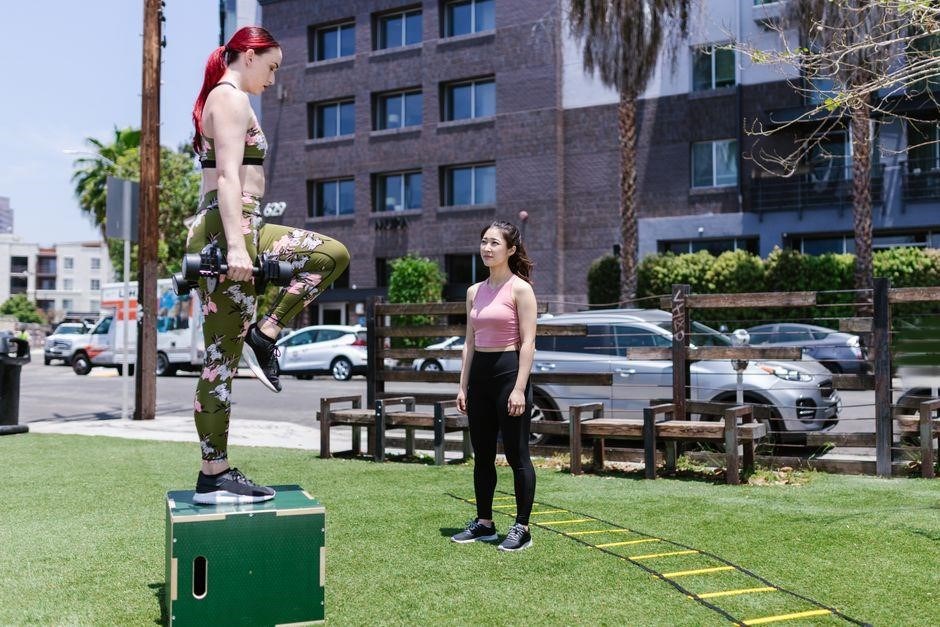
Integrating with Training Programs
Incorporating the agility ladder PDF into training requires strategic sequencing and monitoring. Begin by aligning ladder drills with athletes’ performance goals—speed, change‑of‑direction, or sport‑specific footwork. A weekly schedule might allocate 15–20 minutes of ladder work during warm‑up, 30 minutes during the main session, and a brief 10‑minute cool‑down for technique refinement.
Periodization is key: focus on foundational drills like two‑foot hops and lateral shuffles to build control. As the season nears, add high‑intensity variations such as weighted sprints and reactive shuffles to simulate game pressure. Use the PDF’s progressive ladder to structure each phase, ensuring gradual load increase without compromising form.
Pair the PDF with modalities like plyometrics, resistance bands, and agility cones to create a holistic movement profile. For example, combine a ladder hop drill with a depth‑jump sequence to boost explosive power. Alternate ladder days with sprint intervals or skill drills to keep recovery balanced and conditioning strong.
Track progress by logging drill reps, time, and exertion. Coaches can use the PDF’s built‑in sheet or a digital app to record weekly data. Analyze trends to adjust volume, intensity, or drill selection, ensuring continuous growth and preventing plateau.
Rotate drills, add game‑like scenarios, and celebrate milestones to keep athletes engaged. The agility ladder PDF, woven into a broader program elevates performance across sports
Coaching Tips for Effective Use
To maximize the agility ladder PDF’s impact, coaches should emphasize clear communication, progressive overload, and real‑time feedback. Begin each session with a brief demonstration of the eight drills, highlighting foot placement, rhythm, and posture. Use the PDF’s step‑by‑step visuals to reinforce correct technique, and ask athletes to mirror the movements before performing them independently.
Progression is essential: start with basic two‑foot hops, then introduce lateral shuffles, single‑foot hops, and diagonal patterns. As proficiency grows, add speed bursts, weighted vests, or reaction cues. Coaches can adjust the drill order to target specific weaknesses, ensuring that each athlete receives individualized attention.
Real‑time feedback is a powerful tool. Employ a “coach‑athlete” mirror system—athletes perform the drill while the coach observes and provides instant corrections. Use verbal cues such as “tighten the core,” “keep knees high,” or “maintain a 1‑second cadence.” Visual feedback can be enhanced with video playback or a live screen showing the PDF layout.
Encourage athletes to self‑monitor by setting personal benchmarks—time, reps, or consistency. Record these metrics in a shared spreadsheet or a mobile app, and review them weekly. Celebrate small gains to boost motivation and reinforce the learning cycle.
Finally, integrate the PDF drills into sport‑specific scenarios. For example, after a ladder drill, have athletes sprint to a target or perform a quick change of direction. This contextualization helps athletes transfer ladder skills to game situations, making the training more relevant and effective.
Safety and injury prevention should be woven into every drill. Warm‑up properly, use appropriate footwear, and ensure the ladder is on a flat surface. Encourage athletes to listen to their bodies and pause if they feel pain. Coaches should also monitor fatigue, adjusting volume to prevent overuse injuries.
Adopt a supportive coaching style that balances challenge with encouragement. Use positive reinforcement, such as “great footwork!” or “excellent balance!” to build confidence. Rotate drills among groups to maintain variety, and use the PDF’s layout to schedule sessions that align with overall training cycles.

Safety and Injury Prevention
Before starting any ladder drill, ensure the surface is flat, dry, and free of debris to prevent tripping. Athletes should wear supportive, cushioned shoes that provide ankle stability. A proper warm‑up—dynamic stretches, light jogging, and mobility work—prepares joints and muscles for rapid footwork.
Place the ladder on a level floor, with rungs parallel to the ground and the ladder angled at about 45° relative to the athlete’s starting line. This positioning reduces tripping risk and allows smoother transitions. Coaches must verify that the ladder is secure and that the surrounding area is clear of obstacles.
Technique is key to injury prevention. Athletes should keep a slight forward lean, knees slightly bent, and avoid over‑extending the ankles. Foot strikes should be quick and light, landing on the ball of the foot to absorb impact. Engaging the core stabilizes the torso and reduces lower‑back strain.
Progressive overload must be managed carefully. Start with low‑intensity drills and gradually increase speed, complexity, or duration. Monitor athletes for signs of fatigue—rapid breathing, muscle fatigue, or loss of coordination—and provide rest intervals as needed to avoid over‑exertion injuries.
Recovery protocols are essential. Post‑session cool‑downs, static stretching, and foam rolling help mitigate muscle soreness and reduce the risk of delayed‑onset muscle pain. Adequate hydration and nutrition support muscle function and prevent cramps.
Finally, educate athletes to recognize early warning signs such as sharp pain, swelling, or instability. Prompt reporting of injuries allows timely intervention, preventing more serious damage and ensuring a safe return to training.

Printing and Distribution Options
When preparing the agility ladder drills PDF for distribution, consider both digital and physical formats to maximize accessibility. Digital copies can be shared via email, cloud services, or embedded on training websites, allowing instant access for remote coaches and athletes. For in‑person sessions, high‑resolution prints on durable paper or laminated sheets ensure clarity of drill diagrams and reduce wear during repeated use.
Printing on cardstock or thick, matte paper enhances durability, especially in gym environments where sheets may be handled frequently. Laminating the pages protects against moisture, stains, and accidental tearing, extending the life of the resource. Additionally, using a spiral binding or a simple ring binder keeps the PDF organized and allows easy flipping between drills.
To accommodate different languages, the PDF can be translated and re‑formatted, preserving the original layout while adding multilingual captions. This approach broadens the reach to international coaching communities and athletes who prefer non‑English instructions.
For large‑scale distribution, partner with sports equipment suppliers or educational institutions. Bulk printing discounts can be negotiated, and the PDF can be bundled with agility ladders, coaching manuals, or training kits. Digital bundles may include QR codes linking to video demonstrations of each drill, enhancing the learning experience.
Maintain an online repository where updates or new drill variations can be uploaded. A version‑control system, such as a simple date stamp or revision number in the header, keeps users informed about updates and prevents confusion between editions;

Feedback and Progress Tracking
Effective use of the agility ladder drills PDF hinges on systematic feedback and progress tracking. Coaches should establish clear performance metrics—time to complete each drill, foot placement accuracy, and consistency across repetitions. A simple log sheet can be printed from the PDF, featuring columns for drill name, date, time, and a rating scale from 1 to 10 for technique quality. Athletes can self‑rate or receive coach input, fostering accountability.
Digital tools enhance tracking: a spreadsheet template linked to the PDF allows automatic calculation of average times and improvement percentages. Integrating a mobile app that records video clips of each drill provides visual evidence for later review. Coaches can annotate clips, highlighting areas needing adjustment, and share feedback directly with the athlete.
Progress should be reviewed weekly, with a brief meeting to discuss strengths, weaknesses, and next steps. Setting incremental goals—such as shaving 0.5 seconds off a double‑step drill—keeps motivation high. Celebrating milestones, like mastering a new advanced variation, reinforces positive reinforcement.
For group sessions, a leaderboard can be displayed in the gym, encouraging healthy competition while maintaining focus on skill development. Ensure data privacy by anonymizing personal identifiers in shared reports.
Finally, schedule a quarterly comprehensive assessment, combining time trials, coach observations, and athlete self‑reflection. This holistic review informs curriculum adjustments and ensures the agility ladder drills PDF remains a dynamic tool that evolves with the athlete’s growth.

Frequently Asked Questions
Below are common inquiries about the agility ladder drills PDF, covering setup, usage, and troubleshooting.
- What is the format of the PDF? The file is a standard PDF compatible with most devices, offering printable pages and drill diagrams.
- Can I use it for group training? Yes, the layout supports both individual and team drills, with space for multiple athletes to practice;
- How often should I run the drills? A recommended schedule is 3–4 sessions per week, each lasting 15–20 minutes, to build speed.
- Do I need special equipment? Only a ladder and a flat surface are required; optional markers can help track foot placement.
- What if I’m a beginner? Start with the basic single‑step drill, then progress to double‑step and lateral moves.
- How do I track progress? Use the built‑in time sheets or a digital log; compare times weekly to gauge improvement.
- Can I customize the drills? Absolutely—replace or add variations to suit specific sport needs, maintaining the core ladder structure.
- Is there a mobile version? The PDF is responsive; it opens on tablets and phones, allowing on‑the‑go training.
- What if I encounter a printing error? Ensure your printer supports PDF; try a different viewer or convert to a printable image format.
- Where can I find additional resources? The PDF includes links to video demos and coaching guides for deeper learning.
Additional Resources
For athletes, coaches, and fitness enthusiasts seeking to deepen their understanding of agility ladder drills, a wealth of supplementary materials is available. Below is a curated list of books, scholarly articles, instructional videos, and interactive tools that complement the PDF. These resources provide context, advanced techniques, and sport‑specific adaptations that can be integrated into training plans.
- Books: “Speed & Agility: The Complete Guide” by John Smith offers a chapter on ladder drills, including biomechanical analysis and periodization strategies.
- Academic Papers: A 2024 study published in the Journal of Sports Science examined the effect of ladder training on sprint mechanics in collegiate sprinters, presenting measurable performance gains.
- Video Series: The YouTube channel “Agility Academy” hosts a playlist of 12 ladder drills, each lasting 2–3 minutes, with commentary on foot placement and tempo.
- Apps: “Agility Trainer” (iOS/Android) provides a timer, progress tracker, and a library of drill variations that sync with the PDF layout.
- Webinars: The National Strength & Conditioning Association offers quarterly webinars on agility training, featuring live demonstrations and Q&A sessions.
- Forums: The “Athlete’s Corner” subreddit hosts user‑generated drill ideas and troubleshooting tips, fostering a community of practice.
By exploring these resources, users can expand their knowledge base, refine technique, and tailor the agility ladder drills PDF to meet specific athletic goals, ensuring continuous improvement and sustained performance gains.
and Next Steps
After reviewing the agility ladder drills PDF, athletes and coaches can now translate theory into practice. The lesson’s eight drills—double‑step, lateral shuffle, in‑and‑out, and more—offer a solid foundation for building foot speed, coordination, and explosive power. To maximize results, begin with a structured warm‑up, progress through each drill at a controlled tempo, and gradually increase intensity as confidence grows. Tracking performance with a simple log or a mobile app will reveal trends and highlight areas for refinement. For those seeking sport‑specific adaptations, consider integrating ladder work into sport‑drills: a soccer midfielder can pair the lateral shuffle with ball‑handling, while a basketball guard can combine the in‑and‑out with quick change‑of‑direction moves. Coaches should emphasize proper form, encouraging athletes to focus on quick, light foot contact and maintaining a steady rhythm. Safety remains paramount; ensure the ladder is placed on a flat, non‑slippery surface and that athletes wear appropriate footwear. When ready to advance, explore the advanced variations section of the PDF, which introduces multi‑step patterns, reaction drills, and resistance bands for added load. Finally, share feedback with the community—post progress updates, ask questions, and contribute new drill ideas. By following these next steps, users will not only master the fundamentals but also cultivate a lifelong habit of agility training, translating into faster, more agile performance on the field, court, or track. Additionally, scheduling regular ladder sessions—twice a week—helps embed neural pathways that support rapid movement. Encourage athletes to set measurable goals, like reducing time to complete a full ladder circuit by 10% over a month. Finally, celebrate milestones; acknowledging progress boosts motivation and reinforces the habit of consistent training.