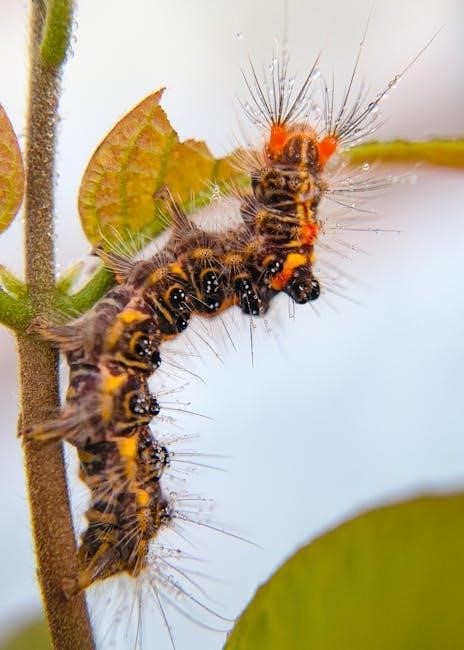
pdf the very hungry caterpillar
The Very Hungry Caterpillar: A Comprehensive Exploration
Numerous PDF versions of Eric Carle’s beloved tale are readily available online, enhancing accessibility for educators and young readers alike․
Resources from Cambridge School and FlipBuilder,
dated March 2024 and October 2022 respectively,
offer digital access to this classic story․ Meadow High School also provides a PDF․

Eric Carle’s The Very Hungry Caterpillar, published in 1969, remains a cornerstone of children’s literature, celebrated for its vibrant illustrations and simple yet profound narrative․ The story follows a caterpillar’s journey of consumption and transformation, captivating generations of young readers․ Today, accessing this timeless tale is easier than ever, thanks to the widespread availability of PDF versions online․
Several educational institutions and online platforms host downloadable PDFs of the book․ Resources like those found on nfc․cambridgeschool․edu․in (dated March 11, 2024) and online․flipbuilder․com (October 6, 2022) provide convenient access․ Meadow High School also offers a PDF resource, published July 4, 2025․ These digital formats allow for easy sharing and integration into classroom activities, making the story accessible to a broader audience․
The PDF format also facilitates pre-reading discussions, as suggested by Meadow High School’s resource, prompting questions about caterpillars, hunger, and prediction․ Furthermore, a signed version is available on YouTube (link provided in the resource), enhancing inclusivity for deaf and hard-of-hearing learners․
The PDF Format and Accessibility
The proliferation of PDF versions of The Very Hungry Caterpillar significantly enhances the book’s accessibility․ Digital distribution removes geographical barriers and provides cost-free access for many, supporting literacy initiatives globally․ Platforms like NFC Cambridge School and FlipBuilder offer readily downloadable PDFs, ensuring the story reaches diverse learners․
PDFs are particularly beneficial for educators, allowing easy integration into lesson plans and digital learning environments․ They facilitate printing for classroom use or projection for group reading sessions․ The Meadow High School resource highlights pre-reading activities that complement the PDF format, encouraging discussion and prediction․
Moreover, the digital format supports inclusivity․ The availability of a signed version on YouTube, linked within the Meadow High School PDF resource, caters to deaf and hard-of-hearing audiences․ This demonstrates a commitment to making the story universally accessible, ensuring all children can enjoy Carle’s masterpiece․ The ease of sharing PDFs also promotes family reading experiences․
Historical Context of the Book’s Publication
While the provided sources primarily focus on the current digital availability of The Very Hungry Caterpillar in PDF format, they indirectly illuminate its enduring legacy․ The continued digitization and sharing of the book – evidenced by resources from Cambridge School, FlipBuilder, and Meadow High School – demonstrate its sustained relevance since its original publication in 1969․
The emergence of online PDF access reflects broader trends in publishing and education․ The shift towards digital resources began gaining momentum in the late 20th and early 21st centuries, offering new avenues for distributing children’s literature․ The dates associated with the online PDFs – 2022, 2024, and 2025 – showcase its ongoing presence in contemporary educational practices․
The inclusion of pre-reading activities within the Meadow High School PDF suggests a pedagogical approach evolving alongside the digital landscape․ Educators are leveraging accessible formats like PDFs to enhance engagement and comprehension․ The YouTube link to a signed version further highlights a growing awareness of inclusive learning practices, building upon Carle’s original vision․
Understanding the Story’s Core Elements
PDF versions facilitate focused study of key themes․ Educators utilize these digital copies to explore character development, predict plot points, and discuss the narrative’s core message․
The Caterpillar as a Symbol of Growth
The very hungry caterpillar embodies the profound concept of transformation and growth, a central theme readily explored through accessible PDF versions of the story․ The caterpillar’s relentless consumption, meticulously detailed across the days of the week within these digital texts, visually represents a period of intense development․
Before reading, PDFs prompt discussions about caterpillars – their lives and needs – laying the groundwork for understanding this symbolic representation․ The progression from a tiny, newly hatched creature to a plump, cocoon-bound form, all easily observable within the book’s digital format, mirrors the stages of personal growth and change․
The eventual emergence as a beautiful butterfly signifies completion and the realization of potential․ Utilizing PDF resources, educators can pause and discuss each stage, reinforcing the metaphor of growth and encouraging children to reflect on their own journeys of development․ The story, in its PDF form, becomes a powerful tool for illustrating life cycles and the beauty of metamorphosis․
The Significance of the Days of the Week
The sequential structure of The Very Hungry Caterpillar, clearly presented in available PDF versions, utilizes the days of the week to chart the caterpillar’s escalating appetite and subsequent growth․ Each day – Monday through Friday – marks a distinct increase in the quantity of food consumed, providing a tangible representation of time’s passage and cumulative effect․
PDFs facilitate a focused examination of this pattern; educators can easily revisit specific days to reinforce counting skills and the order of the week․ The story’s structure, readily apparent in digital formats, isn’t merely chronological but serves as a building block for early mathematical and temporal understanding․
The transition to Saturday, with its indulgent spree, and the following cocoon stage, highlights the consequences of excess and the necessity of rest and transformation․ The clear day-by-day progression, easily accessible through PDF resources, makes this narrative arc particularly impactful for young learners, solidifying their grasp of sequential events․
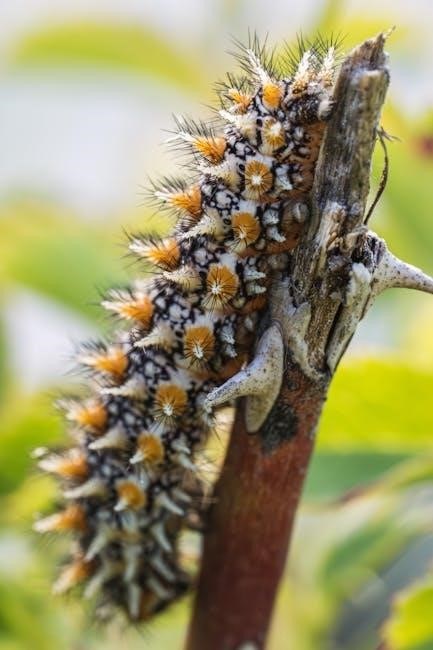
Exploring the Concept of “Hunger” in the Narrative
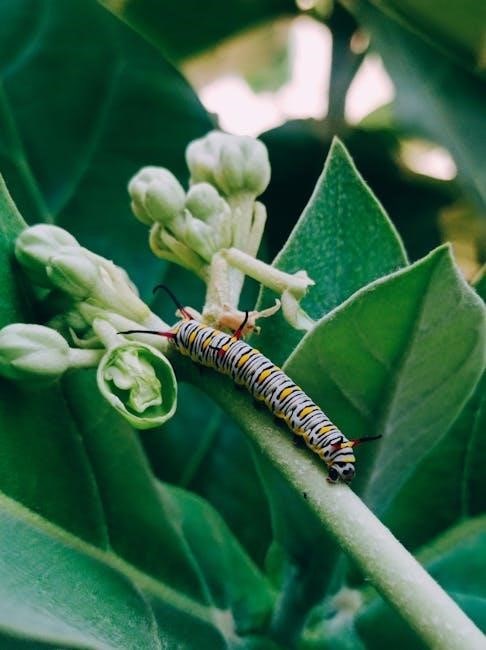
The pervasive theme of “hunger” in The Very Hungry Caterpillar, vividly illustrated in accessible PDF versions, extends beyond a simple physiological need․ It represents a driving force for growth, exploration, and ultimately, transformation․ The caterpillar’s relentless quest for sustenance, documented day by day, embodies a fundamental life impulse․
PDFs allow for close reading of the text, emphasizing the repetition of “still hungry” after each consumption․ This reinforces the idea that satisfaction isn’t immediate, and growth requires persistent effort․ The story cleverly uses hunger as a narrative engine, propelling the plot forward and engaging young readers with a relatable emotion․
Furthermore, the eventual overindulgence on Saturday, readily visible in digital copies, introduces the concept of moderation and the potential consequences of unchecked desire․ The caterpillar’s hunger, therefore, isn’t simply about filling a void but about learning boundaries and preparing for a new stage of life․
Detailed Analysis of the Food Consumption
PDF versions of the story clearly depict the caterpillar’s escalating appetite, starting with one apple and progressing through pears, plums, and strawberries․
This sequential eating is key!
Monday: The Single Apple and Initial Hunger
The story, readily available in PDF format from sources like Cambridge School and FlipBuilder, begins on Monday with a simple act: the very hungry caterpillar consumes one apple․ This initial consumption, vividly illustrated in the digital versions, establishes the core theme of insatiable hunger that drives the narrative․ The PDF allows for close examination of Carle’s artwork, highlighting the caterpillar’s small size in contrast to the relatively large apple․
Despite finishing the entire apple, the text explicitly states, “But he was still hungry․” This crucial line, easily visible in the PDF, sets the stage for the escalating food intake throughout the week․ The single apple represents a starting point, a baseline for the caterpillar’s growing appetite․ Educators utilizing the PDF can pause here to discuss the concept of hunger and the need for nourishment, prompting children to consider what they eat when they are hungry․ The digital format facilitates interactive reading and discussion․
Tuesday: Two Pears and Increasing Appetite
Following Monday’s single apple, the narrative, easily accessible through PDF versions from sources like FlipBuilder and Meadow High School, progresses to Tuesday․ Here, the very hungry caterpillar devours two pears․ This escalation in quantity – from one apple to two pears – immediately demonstrates a growing appetite․ The PDF format allows readers to visually track this increase, comparing the size of the pears to the caterpillar and the previous day’s apple․
Crucially, the phrase “but he was still hungry” is repeated, reinforcing the relentless nature of the caterpillar’s hunger․ This repetition, prominent in the digital text, emphasizes that satisfying his appetite is not a simple task․ The PDF’s clear presentation of the text and illustrations makes this pattern readily apparent to young learners․ Educators can use this point to discuss the concept of increasing needs and the idea that sometimes, one thing isn’t enough․ The digital accessibility enhances comprehension and engagement․
Wednesday: Three Plums – A Growing Trend
Continuing the pattern established in the readily available PDF versions of “The Very Hungry Caterpillar” – sourced from locations like Cambridge School and FlipBuilder – Wednesday sees the caterpillar consume three plums․ This builds upon the previous days, solidifying a clear trend of increasing food intake․ The digital format allows for easy comparison; readers can quickly revisit the single apple on Monday and the two pears on Tuesday to observe the progression․
The consistent refrain, “but he was still hungry,” remains, underscoring the insatiable nature of the caterpillar’s appetite․ This repetition, clearly visible within the PDF text, isn’t merely a narrative device but a key element in understanding the story’s core message․ Educators utilizing the PDF can pause here to discuss patterns and prediction – what might the caterpillar eat tomorrow? The accessibility of the PDF ensures all learners can follow along and participate in this analytical process, fostering a deeper understanding of the narrative structure․

Thursday: Four Strawberries – Continued Consumption
As evidenced in the widely accessible PDF versions of Eric Carle’s classic – easily found through resources like Cambridge School’s website and FlipBuilder – Thursday marks another escalation in the caterpillar’s relentless eating spree․ He devours four strawberries, further cementing the established trend of increasing consumption․ The digital PDF format facilitates a visual comparison; readers can effortlessly scroll back to previous days to track the growing quantities of fruit․
The persistent phrase, “but he was still hungry,” continues to punctuate the narrative, reinforcing the caterpillar’s insatiable appetite․ This repetition, prominent within the PDF’s text, is crucial for understanding the story’s underlying themes․ Educators utilizing the PDF can leverage this point to discuss numerical progression and predictive reasoning – prompting students to anticipate the caterpillar’s Friday feast․ The PDF’s accessibility ensures all learners can actively engage with the story, enhancing comprehension and fostering a love for reading․
Friday: The Feast – A Variety of Treats
The PDF versions of “The Very Hungry Caterpillar,” readily available from sources like Cambridge School and FlipBuilder, vividly depict Friday as a turning point – a complete and utter indulgence․ The caterpillar abandons fruit, embarking on a chaotic consumption of a chocolate cake, an ice cream cone, a pickle, Swiss cheese, salami, lollipop, cherry pie, sausage, cupcake, and watermelon․ This dramatic shift, clearly illustrated within the digital PDF, highlights the story’s playful absurdity․
The PDF’s visual layout allows young readers to easily identify and discuss each item, fostering vocabulary development․ Educators can utilize the PDF to initiate conversations about healthy versus unhealthy foods, or simply enjoy the whimsical nature of the feast․ The sheer volume and variety, presented so clearly in the PDF format, emphasize the caterpillar’s unrestrained hunger before his eventual transformation․ The accessible PDF ensures this pivotal moment is experienced fully by all․
The Transformation and Life Cycle

PDF versions showcase the caterpillar building a cocoon, then emerging as a beautiful butterfly, illustrating the complete life cycle․ This visual journey is readily accessible․
Saturday: The Indulgent Spree and its Consequences
The PDF versions vividly depict Saturday as a day of unrestrained indulgence for the very hungry caterpillar․ He doesn’t limit himself to fruits; instead, he consumes a vast and arguably unhealthy assortment of treats․ These include one chocolate cake, one ice-cream cone, one pickle, one Swiss cheese, one salami, one lollipop, one cherry pie, one sausage, one cupcake, and one slice of watermelon!
This excessive eating spree, clearly illustrated within the digital copies, leads to a significant consequence: a stomachache; The caterpillar, having overindulged, experiences discomfort․ This element of the story, easily observed in the PDF format, serves as a gentle lesson about moderation and the importance of a balanced diet․ The visual representation of his discomfort emphasizes the negative outcome of unchecked appetite․
Furthermore, the PDF allows for close examination of Eric Carle’s illustrations, highlighting the caterpillar’s increasingly large size throughout the week, culminating in his substantial state on Saturday before building his cocoon․
The Building of the Cocoon (Chrysalis)
Following his Saturday of excessive consumption, the PDF versions of “The Very Hungry Caterpillar” showcase a pivotal shift in the narrative: the caterpillar begins to build a cocoon, also known as a chrysalis․ This stage is visually represented with detailed illustrations, readily observable in the digital format․
The caterpillar, no longer actively eating, constructs a small house around himself․ The PDF allows readers to closely examine the details of this construction, noting the secure and protective nature of the cocoon․ This phase signifies a period of rest and transformation, a crucial step in the butterfly’s life cycle․
Within the cocoon, a remarkable metamorphosis takes place, though this process isn’t explicitly shown within the PDF’s illustrations․ Instead, the story emphasizes the waiting period, building anticipation for the final reveal․ The digital format allows for pausing and discussing this stage, prompting questions about what might be happening inside the cocoon, fostering curiosity and scientific thinking․
The Emergence of the Butterfly – Metamorphosis
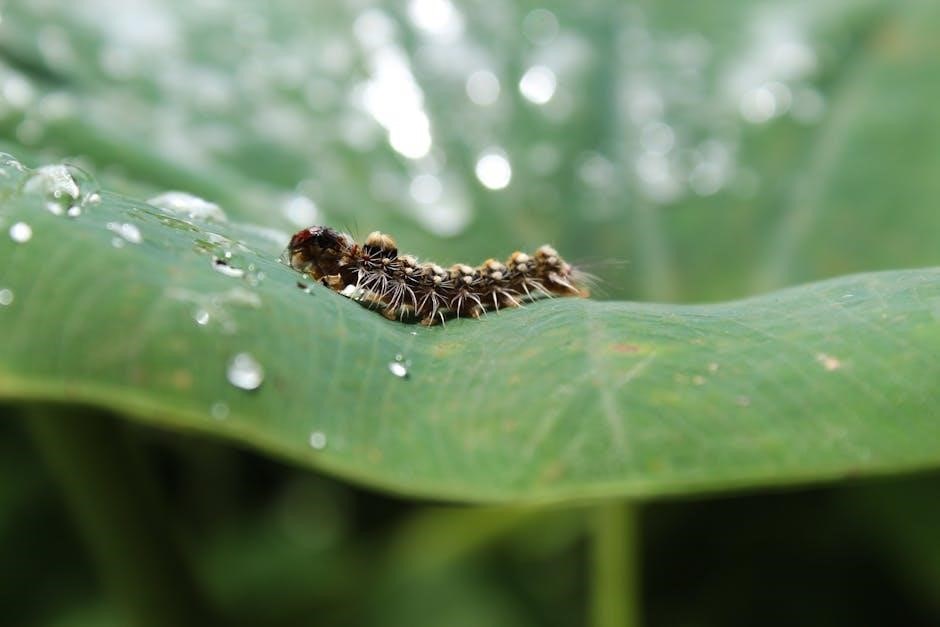
The culmination of the caterpillar’s journey, vividly depicted in the PDF versions of “The Very Hungry Caterpillar,” is his emergence as a beautiful butterfly․ This transformative moment, known as metamorphosis, is a key element of the story and a powerful visual experience within the digital format․
After a period of time spent inside the cocoon, the butterfly breaks free․ The PDF’s illustrations showcase the butterfly’s newly formed wings, initially small and damp, gradually expanding and drying․ This visual progression emphasizes the dramatic change the caterpillar has undergone․
The story concludes with the butterfly flying off, symbolizing growth, freedom, and the completion of the life cycle․ The readily available PDF format allows for repeated viewings of this final scene, reinforcing the story’s message and providing a satisfying resolution․ It’s a perfect tool for discussing life cycles and transformation with young learners․
Educational Applications and Themes
PDF access facilitates teaching counting, days of the week, and the butterfly life cycle․ Signed versions, linked online, support inclusive learning experiences for all students․
Using the Book to Teach Counting and Numbers
The Very Hungry Caterpillar provides a wonderfully engaging platform for introducing and reinforcing early numeracy skills․ The sequential nature of the story, with the caterpillar consuming an increasing number of fruits each day, lends itself perfectly to counting practice․ Educators can utilize readily available PDF versions of the book to pause at each stage and actively involve children in counting the items consumed – one apple on Monday, two pears on Tuesday, and so forth․
This hands-on approach transforms a simple reading activity into a dynamic math lesson․ Beyond basic counting, the book also introduces the concept of quantity and the progression of numbers․ Teachers can extend the learning by creating supplementary activities, such as worksheets where children illustrate the daily food intake or use manipulatives to represent the quantities․ The visual nature of the PDF format further enhances comprehension, allowing young learners to connect the numerical values with concrete representations of the fruits․
Furthermore, the predictable pattern of the story allows children to anticipate the next number, fostering a sense of mathematical confidence and encouraging active participation․ The book’s inherent appeal makes learning numbers a joyful and memorable experience․
Introducing the Days of the Week to Young Learners
Eric Carle’s The Very Hungry Caterpillar serves as an excellent tool for introducing the days of the week to young children․ The narrative is structured around the caterpillar’s eating habits, explicitly linking each day – Monday, Tuesday, Wednesday, Thursday, and Friday – to a specific quantity of food․ Utilizing a PDF version of the story allows educators to easily revisit each day’s consumption and reinforce the sequential order․
Teachers can enhance this learning experience through interactive activities․ For instance, creating a visual calendar where children mark off each day as it’s read in the story․ This reinforces the concept of time and sequence․ The repetitive structure of the book, coupled with the clear association between days and food, aids memorization․
Furthermore, discussions can center around what children typically do on each day of the week, connecting the story’s framework to their own lives․ The readily available PDF format enables convenient pausing and review, ensuring comprehension and solidifying the understanding of the days of the week in a fun and engaging manner․
The Life Cycle of a Butterfly – A Scientific Lesson
The Very Hungry Caterpillar beautifully illustrates the complete life cycle of a butterfly, offering a captivating introduction to this scientific concept for young learners․ The story progresses from a tiny egg on a leaf – visually depicted in available PDF versions – to the emergence of a beautiful butterfly․ This transformation provides a concrete example of metamorphosis․
Educators can utilize the book, particularly through accessible PDF resources, to explain each stage: egg, larva (caterpillar), pupa (chrysalis), and adult butterfly․ Discussions can focus on the caterpillar’s growth and its eventual enclosure within the cocoon, highlighting the changes occurring inside․ The visual nature of the story, easily accessible in digital format, aids comprehension․
Supplementing the reading with diagrams or real-life observations of caterpillars can further enhance the learning experience․ The book’s simplicity makes a complex biological process understandable for young children, fostering an early appreciation for science and the natural world, all facilitated by the convenience of a PDF․
Character Discussion: The Caterpillar’s Personality
The titular character, the very hungry caterpillar, exhibits a remarkably persistent and determined personality throughout Eric Carle’s story, readily available in PDF format online․ Initially, he’s simply “tiny and very hungry,” driven by an insatiable appetite․ This hunger isn’t portrayed negatively, but rather as a natural instinct fueling his growth and eventual transformation․
Analyzing the caterpillar’s behavior – his relentless eating through increasing quantities of food – reveals a character focused on a singular goal: satisfying his needs․ The PDF versions allow for close examination of the illustrations, showcasing his evolving size and energy․ He’s not depicted as picky, consuming a wide variety of foods, demonstrating adaptability․
Furthermore, the story subtly suggests a sense of anticipation as he prepares for his metamorphosis․ His indulgence on Saturday, though leading to a tummy ache, highlights a carefree spirit․ Ultimately, the caterpillar embodies growth, change, and the inherent drive for self-improvement, all beautifully conveyed within the accessible PDF narrative․
Resources and Adaptations
Digital access to “The Very Hungry Caterpillar” is widespread, with numerous PDF versions available․ A signed version, aiding comprehension, can be found on YouTube, enhancing the story’s reach․
Signed Versions of the Story (YouTube Link)
Accessibility is a key strength of “The Very Hungry Caterpillar,” and adaptations cater to diverse learning needs․ Recognizing this, a signed version of the story is readily available online, providing an invaluable resource for deaf and hard-of-hearing children, as well as those learning sign language․
This adaptation, linked from resources like Meadow High School’s PDF preparation materials, allows viewers to follow along with the narrative through visual sign language interpretation․ The YouTube link – https://www․youtube․com/watch?v=75NQK-Sm1YY – offers a dynamic and engaging way to experience the story, fostering inclusivity and comprehension․
The presence of a signed version complements the widely available PDF formats of the book, ensuring that the story’s message of growth and transformation can be enjoyed by a broader audience․ It’s a fantastic tool for educators and parents seeking to create a more inclusive learning environment, and it beautifully demonstrates how technology can enhance access to classic literature․
PDF Availability and Online Access
“The Very Hungry Caterpillar” enjoys widespread digital availability, primarily through PDF format, making it exceptionally accessible for educational purposes and personal enjoyment․ Several online sources host downloadable PDFs of the book, catering to a diverse range of users and learning environments․
Notable examples include the PDF hosted on the NFC Cambridge School website (https://nfc․cambridgeschool․edu․in/wp-content/uploads/sites/2/2020/05/THE-VERY-HUNGRY-CATERPILLAR․pdf), published in March 2024․ FlipBuilder also provides access (https://online․flipbuilder․com/rslc/xiul/), dating back to October 2022, and Meadow High School offers another resource․
These readily available PDFs facilitate easy printing, sharing, and integration into lesson plans․ The convenience of online access ensures that educators and parents can quickly obtain the story for use in classrooms or at home, promoting literacy and a love of reading․ The proliferation of these digital versions underscores the book’s enduring popularity and educational value․